
Rift Valley Fever
Syllabus: GS2/ Health
In News
- The World Health Organization (WHO) confirmed an outbreak of Rift Valley Fever (RVF) affecting Mauritania and Senegal in Western Africa.
Rift Valley Fever (RVF)
- RVF derives its name from Kenya’s Rift Valley, where the disease was first recognised in the early 1930s.
- Pathogen – It is caused by a Phlebovirus belonging to the Phenuiviridae family.
- It primarily affects animals such as sheep, goats, cattle, and camels.
- Transmission – Humans become infected through close contact with infected animals or by the bite of infected mosquitoes.
- There is no evidence of human-to-human transmission.
- Currently, there is no specific antiviral treatment.
Molasses
Syllabus: GS3/Economy

Context
- The Central government is looking to permit around 1.5 million tonnes of sugar exports in 2025–26 and abolish the 50% export tax on molasses to improve realisations and help farmers receive faster payments.
Molasses
- Molasses is a thick, dark brown syrup obtained as a byproduct during the process of refining sugarcane or sugar beet into sugar.
Uses
- Food industry: Used in baking (e.g., gingerbread), rum production, and animal feed.
- Industrial use: In ethanol, citric acid, and yeast production.
- Agriculture: As a component in cattle feed and for soil conditioning.
- It is a key raw material for ethanol production under India’s ethanol blending programme to reduce crude oil imports.
Ricin
Syllabus: GS3/ Science & Technology
In News
- The Gujarat Anti-Terrorism Squad (ATS) foiled an alleged terror plot and arrested men with suspected links to terrorism who were reportedly attempting to produce Ricin chemical
Ricin
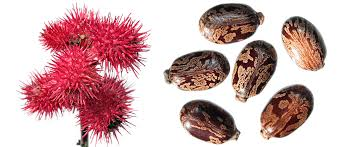
- Ricin is a highly toxic protein extracted from the castor bean plant (Ricinus communis).
- It blocks protein synthesis in cells, causing multiple organ failure and death within hours of exposure.
- It is listed under Schedule-1 of the Chemical Weapons Convention (CWC).
- There is no known antidote for Ricin poisoning.
Chemical Weapons Convention
- Mandate – It is an international treaty aimed at eliminating the production, stockpiling, and use of chemical weapons and their precursors.
- Adoption and Enforcement – The Treaty was adopted on September 3, 1992, and entered into force on April 29, 1997.
- Member countries – It currently has 193 member states.
- Legally binding – It makes it mandatory to destroy old and abandoned chemical weapons.
- India’s ratification – India signed the treaty in January 1
India’s efforts
- National Authority Chemical Weapons Convention (NACWC) is the national authority responsible for implementing the Convention in India.

Leave a Reply