
Dandi March
Syllabus: GS1/ Modern History of India
Context
- The Vice President of India recently paid tribute to Mahatma Gandhi and the freedom fighters involved in the Dandi March (1930).
Dandi March
- The British colonial government had imposed a monopoly on the production and sale of salt and levied a salt tax, making even this basic necessity expensive for Indians.
- In 1930, Gandhiji declared that he would lead a march to break the salt law as it was sinful to tax salt since it is such an essential item of food.
- Gandhiji with his 78 followers started Salt Satyagraha March on 12th March 1930 from Sabarmati Ashram and reached Dandi after 24 days on 6 th April 1930.
- He broke the salt law by picking up natural salt from the seashore and boiling seawater to make salt.
- The Salt Satyagraha became the starting point of the Civil Disobedience Movement.
- The Dandi March inspired similar protests across different regions like in Tamil Nadu led by C. Rajagopalachari & in Kerala organized by K. Kelappan, popularly known as Kerala Gandhi.
- After Gandhi’s arrest, Sarojini Naidu led a nonviolent protest at the Dharasana Salt Works on 21 May 1930.
Bull Sharks in Iran’s Karun River
Syllabus: GS1/ Geography
Context
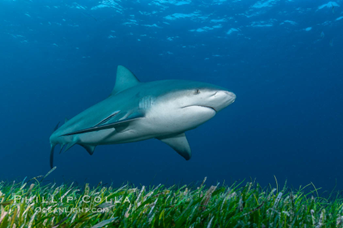
- Recent discussions about unusual wildlife habitats have highlighted the presence of bull sharks in Iran’s Karun River near the city of Ahvaz.
Karun River
- The Karun River is the largest and only navigable river in Iran.
- It originates in the Zagros Mountains.
- It flows through southwestern Iran and eventually joins the Shatt al-Arab, which is formed by the confluence of the Tigris River and Euphrates River.
- The Shatt al-Arab then empties into the Persian Gulf.
Bull Sharks (Carcharhinus leucas)
- Biological Features: Bull sharks are one of the few shark species capable of surviving in both saltwater and freshwater.
- They possess specialised osmoregulation mechanisms that allow them to control salt concentration in their bodies.
- This adaptation enables them to travel far inland through river systems.
- Global Distribution: Bull sharks have been recorded in several rivers across the world, like; Mississippi River (USA), Amazon River, Zambezi River and Ganges River.
- Conservation Status: It is listed as Vulnerable on the IUCN Red List.
UNSC Condemning Iran Attacks on Gulf
Syllabus: GS2/IR
Context
- India co-sponsored a resolution at the UN Security Council that condemned the attacks by Iran against Gulf Cooperation Council countries and Jordan.
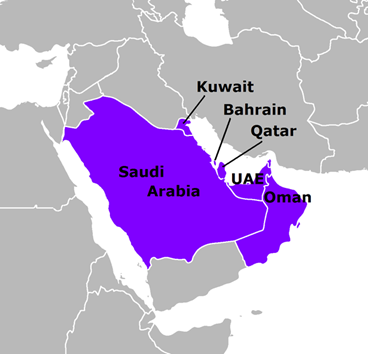
- India along with 134 countries that demanded the “immediate cessation of all attacks by Iran” against GCC countries Bahrain, Kuwait, Oman, Qatar, Saudi Arabia, the United Arab Emirates, and Jordan.
- The resolution was passed with 13 UNSC members voting in favour while Russia and China abstained.
- It also condemned “any actions or threats by Iran aimed at obstructing international navigation through the Strait of Hormuz”.
Additional Information – Gulf Cooperation Council (GCC)
- It is a political and economic union of six Arabian Peninsula countries
- Members: Bahrain, Kuwait, Oman, Qatar, Saudi Arabia, and the United Arab Emirates.
- Establishment: Founded on May 25, 1981, through an agreement signed in Riyadh, Saudi Arabia.
- Objectives: To achieve unity and coordination among member states in all fields, including economic, security, cultural, and social cooperation.
- Headquarters: Riyadh, Saudi Arabia.
Purple Potatoes
Syllabus: GS3/Agriculture
Context
- A young farmer from Punjab has gained attention for cultivating purple potatoes using seed tubers imported from Bolivia.
Purple potatoes
- Cultivated in – Andean region of South America, especially Peru and Bolivia.
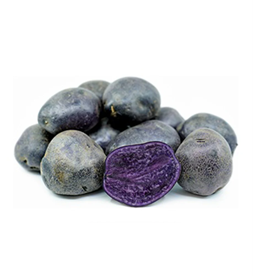
- Purple potatoes are naturally pigmented potato varieties with deep purple skin and flesh.
- The tubers are deep purple both externally and internally due to a high concentration of anthocyanins, natural antioxidants responsible for the colour.
- The thicker peel gives them a longer shelf life than conventional potatoes.
- The crop duration is around 90–100 days, with sowing generally done in October–November.
- They are rich in vitamin C and antioxidants, and are considered beneficial for people managing conditions such as diabetes or joint pain.
Do You Know?
- India has developed its own purple potato variety Kufri Jamunia, launched in 2024 by Prime Minister Narendra Modi.
Potato Cultivation
- India is the world’s second top producer and consumer of potato after China; in 2020, it saw a production of 51.30 million tonnes.
- Among the states in India, Uttar Pradesh and West Bengal lead the production, followed by Bihar.
- Potato is a cool-season crop and best suited to well-drained sandy loam soils.
Assam’s GI-tagged Joha Rice
Syllabus: GS3/Economy
Context
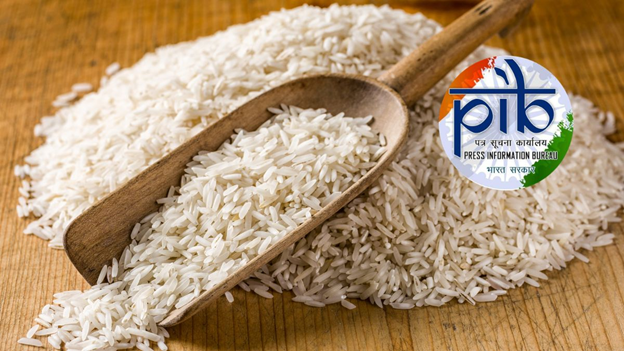
- India has facilitated the export of 25 metric tonnes of Assam’s GI-tagged Joha Rice to the United Kingdom and Italy.
Joha Rice
- It is an aromatic indigenous rice variety, which received its Geographical Indication (GI) tag in 2017.
- It is gaining recognition in premium global markets for its distinctive fragrance, fine grain texture and rich taste.
- The leading districts in Joha rice production are: Nagaon, Baksa, Goalpara, Sibsagar, Majuli, Chirang and Golaghat.
- This strong production base provides a good opportunity to create a surplus for exports and enhance farmers’ income.
Connect with the basics – Geographical Indication or GI Tag
- It is a name or a sign given to certain products related to a specific geographical location or origins like a region, town, or country.
- A certification for unique products – GI Tag may be regarded as a certification for a particular product with certain specific qualities or has a specific reputation because of its geographical origin.
- GI Tags can be issued for wine and spirit drinks, foodstuffs, agricultural products, handicrafts, and industrial products.
- Trade-Related Aspects of Intellectual Property Rights (TRIPS) – At the International level, GI is governed by the World Trade Organisation’s (WTO’s) Agreement on Trade-Related Aspects of Intellectual Property Rights (TRIPS).
- Geographical Indications of Goods (Registration and Protection) Act – In India, Geographical Indications registration is administered by the Geographical Indications of Goods (Registration and Protection) Act, 1999, which came into force in September 2003.
- Darjeeling tea – The first product in India to be accorded with the GI tag was Darjeeling tea in 2004-05.
Operation White Hammer
Syllabus: GS3/Internal Security
Context
- The Directorate of Revenue Intelligence (DRI) recently raided an illegal Alprazolam manufacturing unit in Andhra Pradesh as part of Operation “White Hammer.”
Alprazolam
- It is a psychotropic substance regulated under the Narcotic Drugs and Psychotropic Substances Act, 1985.
- Alprazolam is a benzodiazepine drug used to treat anxiety disorders and commonly marketed under brand names such as Xanax.
- India is one of the world’s largest producers of generic medicines, which sometimes leads to misuse of pharmaceutical chemicals for illicit drug trade.
Legal Framework in India
- Narcotic Drugs and Psychotropic Substances Act, 1985: Regulates production, possession, sale, transport, and consumption of narcotic and psychotropic substances.
- Drugs and Cosmetics Act, 1940: Regulates manufacture, quality, and sale of pharmaceutical drugs in India.
Directorate of Revenue Intelligence
- It is India’s premier anti-smuggling intelligence agency & functions under the Department of Revenue, Ministry of Finance.
- Headquarters: New Delhi.
Operation Sagar Bandhu
Syllabus: GS2/IR; GS3/Defence
Context
- The Indian Army has launched a Major Bridge Project in Sri Lanka under Operation Sagar Bandhu.
About
- The bridge will connect Colombo, the capital city, with the key economic centre of Puttalam along a vital coastal corridor passing through Chilaw District.
- The project reflects India’s engineering assistance to support Sri Lanka’s infrastructure recovery and connectivity.
- It is aligned with India’s Neighbourhood First Policy and broader regional cooperation initiatives.
Background
- India launched Operation Sagar Bandhu in November 2025 as a First Responder following the devastating Cyclone Ditwah.
- The operation aimed to provide Humanitarian Assistance and Disaster Relief (HADR) to Sri Lanka.


Leave a Reply