
Bonded Labour Abolition Act 1976: 50 years of abolition law
Governance
Context
- February 9, 1976, marked an important milestone in equality in Indian society with the enactment of the Bonded Labour System (Abolition) Act (BLSA).
Bonded Labour Abolition Act 1976
- Bonded labour (or debt bondage) is defined as a condition where money is lent in such a way that the debtor is forced to pay back through labour instead of money.
- It was enacted to give effect to Article 23 of the Constitution (prohibition of trafficking and forced labour).
- Bonded labour was deeply entrenched due to poverty, caste hierarchies, landlessness, and indebtedness.
- India ratified ILO Convention No. 29 (Forced Labour) in 1954, strengthening the legal obligation.
Objectives:
- Abolish the bonded labour system.
- Free bonded labourers and extinguish their debts.
- Prevent economic and social exploitation.
- Provide a legal framework for rehabilitation.
Seychelles
International Relations
Context
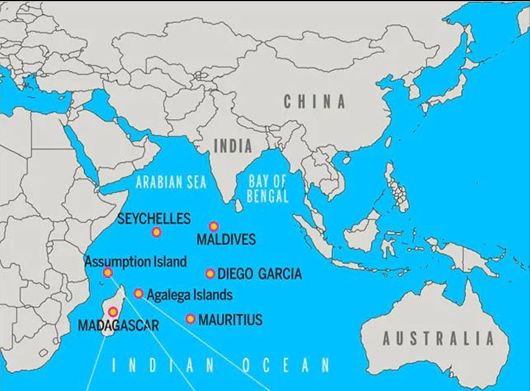
- Prime Minister Narendra Modi announced a $175 million Special Economic Package for Seychelles during the visit of Seychelles President Dr. Patrick Herminie to India.
Seychelles
- It is an archipelago nation of 115 islands in the western Indian Ocean, northeast of Madagascar, known as Africa’s smallest and least populous country.
- Its capital is Victoria on Mahé island.
- Biodiversity: It is known for rare species like the Coco de Mer, the Aldabra giant tortoise, and the rare black parrot.
Mangrove clam (Geloina erosa)
Environment
In News
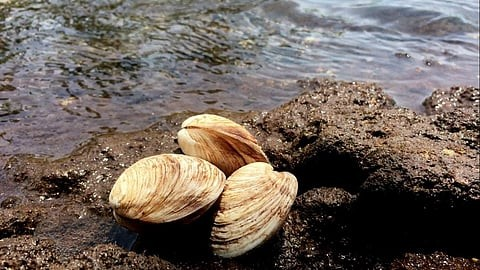
- ICAR-Central Marine Fisheries Research Institute achieved a global first by inducing captive breeding of Geloina erosa (mangrove/mud clam), offering hope for restoring overexploited populations in Indian mangroves.
About
- Geloina erosa (also Polymesoda erosa) is a large bivalve (up to 10 cm shell width) inhabiting organic-rich, muddy intertidal zones of mangroves and estuaries across South and Southeast Asia.
- It is known locally as “Kandal Kakka” in northern Kerala.
- It acts as an efficient filter feeder, improving estuarine water quality through nutrient recycling.
- Its burrowing behaviour stabilises sediments, enhances nutrient cycling, and strengthens mangrove ecosystem resilience.




Leave a Reply